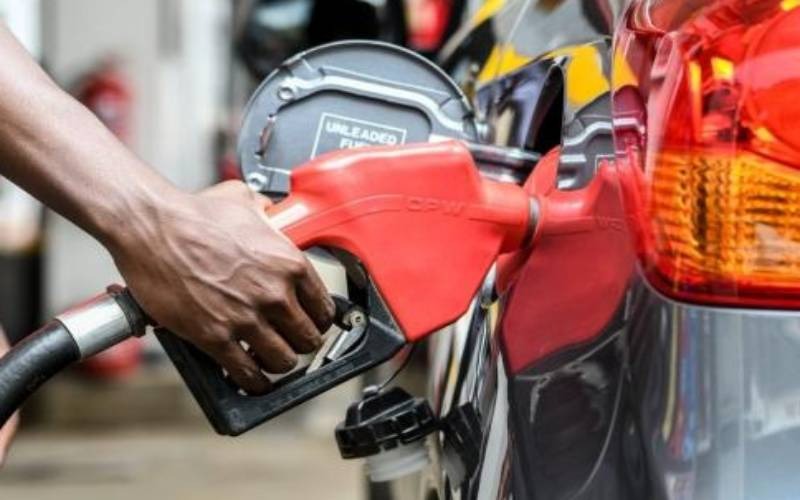
Pressure is mounting on energy regulators after the latest fuel price review sparked strong political criticism, with leaders accusing authorities of poor transparency, heavy taxation and policy gaps that continue to push up the cost of living across the country.
Siaya Governor James Orengo led the sharp response, describing the current economic situation as “a masterclass in gaslighting the Kenyan taxpayer,” while accusing the Energy and Petroleum Regulatory Authority of failing to protect consumers through unclear pricing decisions and sudden pump price changes.
“Yesterday, EPRA didn't just hike fuel prices they insulted our collective intelligence,” he said, adding that motorists had been “playing Russian Roulette with contaminated ‘fake fuel’” while still facing higher costs at the pump.
Orengo questioned how fuel prices are structured, arguing that the public is being locked out of key information that determines what Kenyans pay at the pump.
“we are no longer just fueling our cars, we are fueling a bloated, detached system where the math simply refuses to add up because the variables are hidden from the public eye.”
He called for full disclosure of pricing decisions, insisting that the Cost of Service Study should be made public immediately so that Kenyans can understand how pump prices are determined.
“EPRA must immediately publish the full Cost of Service Study and explain the rationale behind these phased margin revisions that are being implemented in total darkness,” he said, adding that pricing should be open and competitive to protect consumers.
“Competitive pricing, rather than centrally determined margins, is the only way to drive efficiency and protect the public from unjustified cost escalations,” he added.
In a separate reaction, Trans Nzoia Governor George Natembeya warned that fuel prices rising above Sh200 per litre were placing severe pressure on households and businesses.
“This is not just a number it is a direct attack on the cost of living,” he said, blaming the situation on high taxes, weak planning and policy failures in the energy sector.
He argued that taxes and levies still take up a large share of fuel prices, while also pointing to weak fuel stabilisation systems and limited strategic reserves that expose the country to global price shocks.
Natembeya called for urgent reforms, including “immediate review and reduction of fuel-related taxes and levies” and full transparency in fuel procurement and stabilisation funds.
He further demanded accountability in the sector, saying “Kenyans deserve relief. Kenyans deserve honesty. Kenyans deserve better.”
Nairobi Senator Edwin Sifuna accused the government of misleading Kenyans over fuel pricing, linking the latest sharp increase in pump prices to what he described as inconsistent and deceptive official communication.
He argued that recent assurances by President William Ruto on stabilising fuel costs were contradicted by the subsequent hike, saying the burden of rising prices should be placed squarely on the government.
“It is actually a crime under Kenyan law for public officers to give false or misleading information… we have been told a bunch of open lies about the fuel situation, with Ruto himself… telling us his ‘strategic interventions’ had ‘mitigated price increases’ only to hit us with a 40 shilling increase two weeks later,” he said.
Constitutional lawyer and Safina Party deputy leader Willis Otieno has also blamed the sharp rise in diesel prices on what he termed poor policy decisions, warning that the surge signals deeper structural weaknesses in Kenya’s economy.
He argued that the Sh40 increase in a single pricing cycle reflects policy-driven cost-push inflation, with rising fuel costs expected to cascade across transport, manufacturing and agriculture, ultimately pushing up the cost of living and disproportionately affecting low- and middle-income households.
“This is the first time in Kenya’s history that diesel has surged by Sh40 to Sh206 in a single pricing cycle… This surge is a clear manifestation of policy-induced cost-push inflation under the Kenya Kwanza administration,” Otieno said.




























Comments
Sign in with Google to comment, reply, and like comments.
Continue with Google